How Doro, an AI mental health platform, transforms access to care with 24/7, human-like conversations
By partnering with Itera Research, Doro launched a cross-platform AI therapist that delivers empathetic, always-on support, making personalized mental health care more accessible, scalable, and immediate than ever.
Client Overview
Access to mental health care is often limited by time, cost, and availability. Doro set out to change that, with an AI-powered therapist that delivers human-like conversations anytime, anywhere. Itera Research helped bring that vision to life, building an AI solution that makes personalized emotional support scalable, affordable, and always within reach
When you’re facing mental health struggles, waiting days or even weeks for support simply isn’t an option. Unfortunately, that’s exactly what happens with many mental health services in Canada. Clinics are overbooked, therapists are overwhelmed, and people in crisis often end up stuck on waitlists, unable to get immediate help.
Canadian mental wellness startup Doro saw the challenge clearly: how could they provide personalized, compassionate mental health care around the clock, without hiring a huge team of new therapists?
Their answer: AI-powered automation. But to build an AI therapist that felt human, not robotic, they needed a technology partner with both technical expertise and emotional intelligence. That’s why Doro partnered with Itera Research.
Making AI feel human
Doro didn’t want just another chatbot—they wanted an empathetic AI therapist that users would actually trust. But achieving human-level empathy using AI isn’t easy. Itera Research began by mapping exactly what users expected from conversations:
- Users wanted to feel heard and understood.
- They wanted the interaction to feel natural, empathetic, and comforting.
- The AI had to provide personalized responses, not scripted answers.
To meet these expectations, Itera Research followed a clear AI implementation workflow:
1. Building a team of AI agents – each with its own purpose
Rather than rely on a single, general-purpose AI model to handle every conversation, we built a modular system of OpenAI-based agents-each designed to do one thing well.
Some agents were trained to recognize emotional cues and track mood fluctuations. Others focused on increasing self-awareness or evaluating symptom patterns over time. By routing conversations to the right model based on user behavior, the system could offer responses that were more specific, more supportive, and far more relevant.
This approach not only made the experience feel more personalized-it allowed Doro to scale intelligently, without sacrificing nuance.
2. Audio that doesn’t interrupt trust
In therapy, timing matters. A delayed or distorted response can fracture the moment, making a user feel unheard or unsure.
That’s why we focused heavily on optimizing the audio experience. From early on, we invested in reducing latency and improving sound quality across all platforms. We didn’t just build to spec-we built with emotion in mind. A clear, immediate response isn’t just a performance metric-it’s a signal that someone (or something) is really listening.
We also made the audio stack flexible enough to improve over time. Audio tuning became a living system, continuously evolving based on user feedback and testing across different devices and bandwidths. Every improvement brought the interaction closer to something people would describe not as “digital,” but as “real.”
3. Privacy is not a checkbox – it’s the foundation
If there’s one non-negotiable in building an AI mental health platform, it’s trust. And trust starts with privacy.
From day one, we treated security as an architectural priority, not a patch. We implemented end-to-end encryption, anonymized data handling, and strict conversational guardrails. When a session touches on clinically sensitive territory, the system knows its limit and escalates – seamlessly and securely – to a human therapist.
Users never have to question whether their data is protected or whether the AI is “guessing” its way through a difficult moment. Every safeguard was built to create an experience where people could show up honestly, without hesitation.
4. One experience, every platform
Whether users access Doro through a smartphone during a commute or on a desktop during a late-night panic, the experience remains the same. That consistency is what builds trust over time.
We ensured emotional tone, audio performance, and conversational flow were steady across iOS, Android, and web. Because people don’t just want reliable software—they want reliable care. Consistency reinforces that sense of being understood, wherever and whenever someone reaches out.
5. Faster build. Smarter scale.
Thanks to Itera Research’s AI-first product development approach, Doro launched in just four months, roughly half the time typical for comparable platforms. That speed wasn’t achieved by rushing. It came from clear priorities, rapid iteration, and a shared understanding of the stakes.
- Cut development costs by ~30%
- Reduce the need for staffing by ~60%
- Improve audio response time by ~40%
- Support thousands of concurrent sessions, without lag or drop-offs
The platform’s success wasn’t just about speed – it was about building something sustainable from day one.
Key Features
- Cross-Platform Mobile App: Built with React Native, the mobile application runs seamlessly on both iOS and Android, reducing development effort while maintaining native-like performance.
- Modern Web Interface: Developed with React, the web application offers a fast, responsive, and user-friendly interface for accessing AI-guided mental health support via browser.
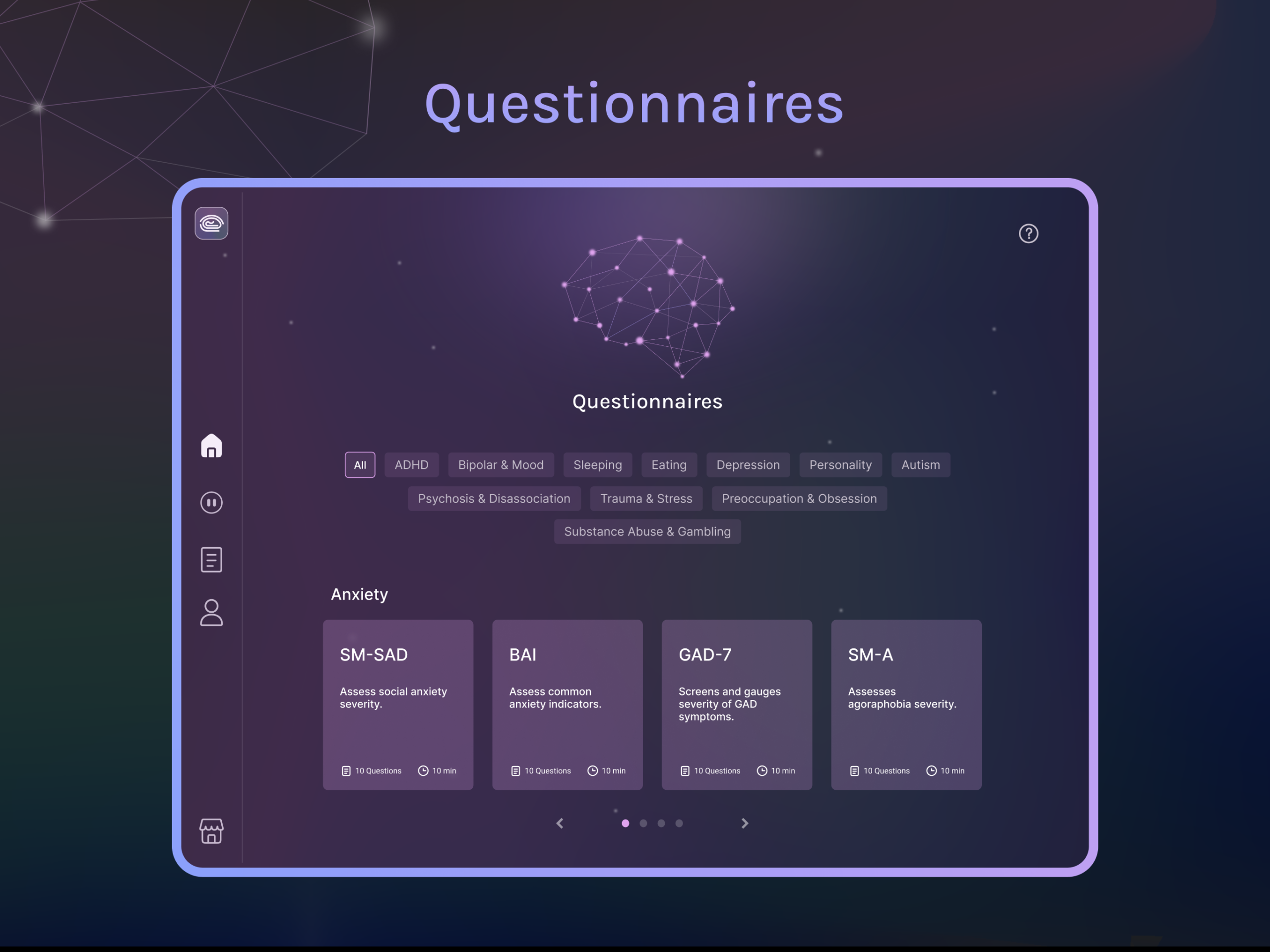
- AI-Powered Chat Sessions: Enables users to engage in structured conversations with the AI coach, designed to help manage stress and improve emotional well-being.
- Scalable Architecture: Designed to support future product growth, feature expansion, and increased user load without compromising performance.
- In-App Audio Support: Actively working on improving the reliability and performance of audio functionality to support interactive, voice-guided experiences.
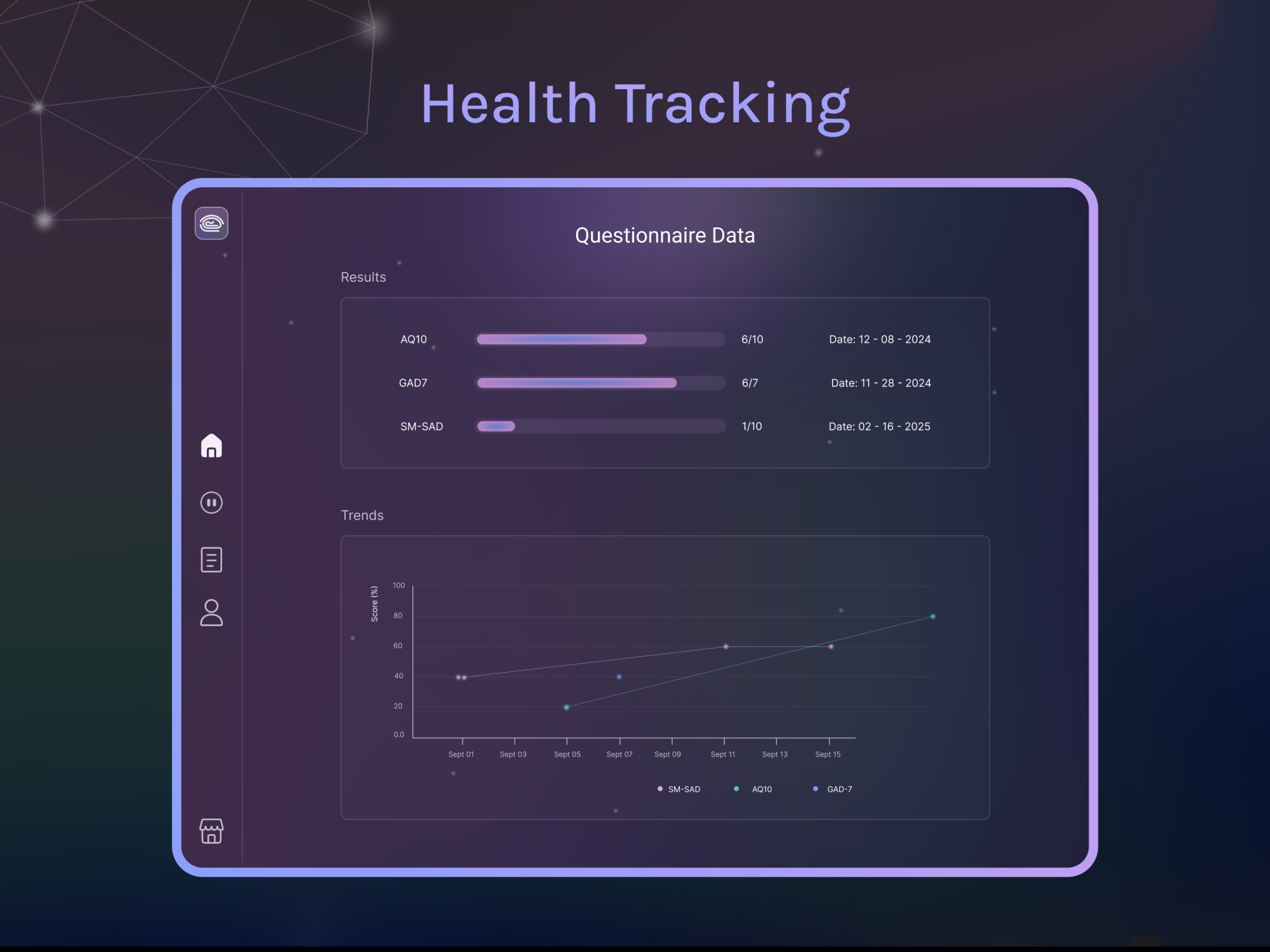
- Set of Trained OpenAI Agents: Each model is trained with different purposes, and focused on one aspect of the conversation – emotions, awareness, etc. Based on the symptoms, a specific model works to provide a more accurate examination.
Tools & Technologies
- React
- React Native
- JavaScript
- Agile/Scrum methodology
- iOS
- Android
- Python
- OpenAI agents
This project is more than a case of “tech for good”- it shows how AI can genuinely transform care delivery.
With a thoughtfully designed system, Doro turned AI into an empathetic, reliable first responder for mental health needs. No waitlists. No overhead. No compromise on care.
Thinking of Building an AI Product That Feels Human?
Whether you’re working in health, education, or support – your product can be more than a tool. It can be a companion. Let’s build it together.